Newsletter Sign Up
  • Home
  • About
    • Staff and Board of Directors
    • Coalition Partners
  • Programs
    • 100% Resolutions
    • Cleaner and Greener Communities Initiatives
    • Environmental Terminology 101
  • Climate Change
  • News
    • Events
  • Get Active
  • Contact
  • Donate
MENU Donate
  • Home
  • About
    • Staff and Board of Directors
    • Coalition Partners
  • Programs
    • 100% Resolutions
  • Get Active
  • Climate Change
  • News
  • Contact
  • Donate
News

The latest threat to Southern Forests – BIOMASS

February 10, 2026 Posted By Terri Pratt

Wood Pellet Biomass | Dogwood AllianceDogwood Alliance

Impacts of Wood Pellets In the US

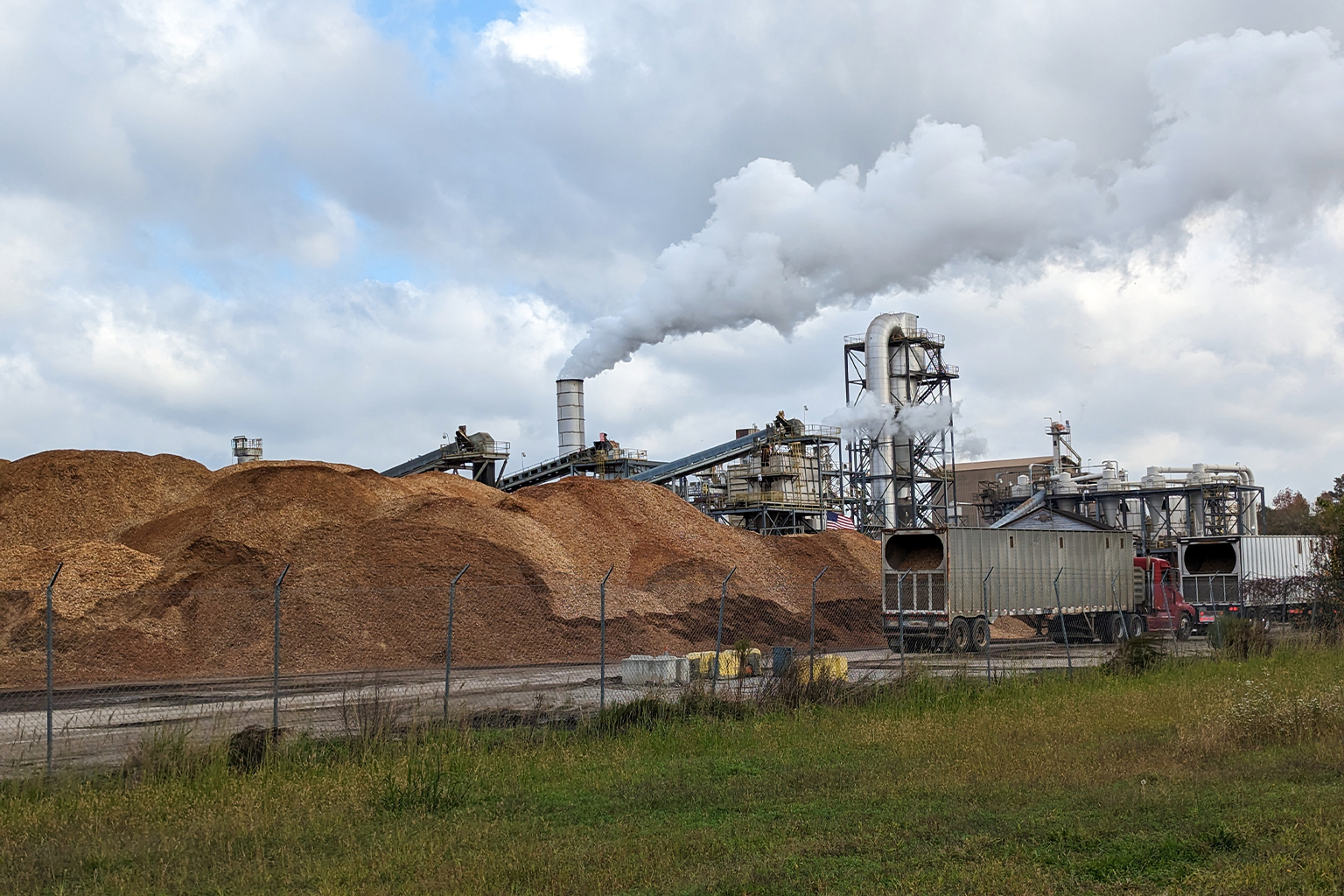
Wood pellet biomass is a major threat to our climate, communities, and Southern forests. Many countries burn wood pellets for electricity. They see it as a climate-friendly, renewable energy option. Scientific consensus shows us, though, that biomass isn’t clean, green, or renewable. Instead the negative impacts of wood pellet biomass are far-reaching.

Impacts on forests

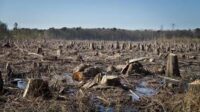
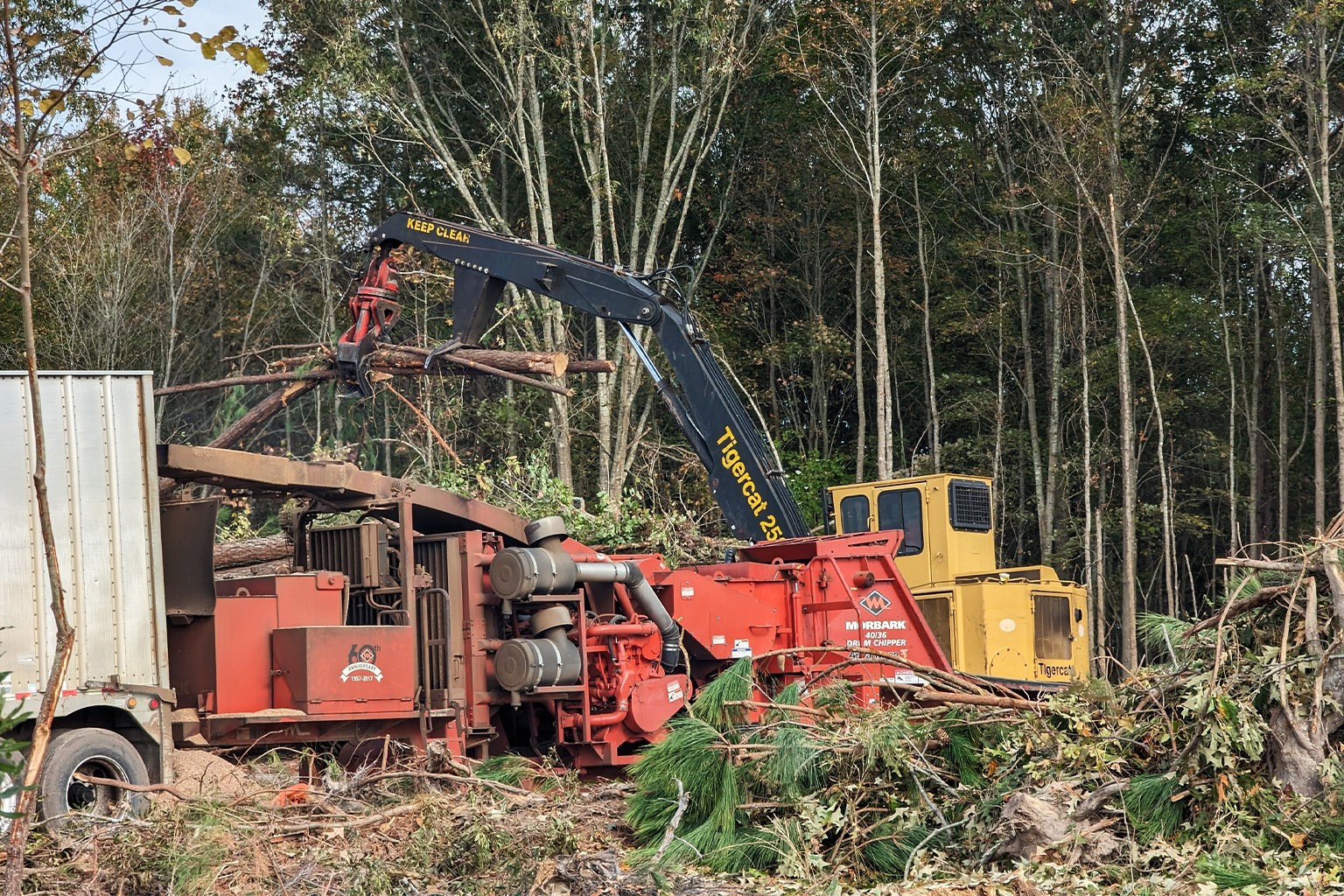
The United States has lost over a million acres of forests due to wood pellet biomass production. In North Carolina, the epicenter of the biomass industry, the state has lost 120,000 acres of bottomland hardwood to logging. This is an area about 20 times the size of the Triangle’s Umstead State Park. Making wood pellets uses a lot of land. This means that “fake forests” made up of planted pine will continue to increase. Changes in land use due to logging are a major cause of wildlife loss. Even the IPCC, the world’s climate change authority, says that we will lose wildlife by using more wood pellets and other biofuels.

Logging for wood pellets has increased the sheer amount of land logged every year as well as the intensity of logging. Wood pellet production uses more wood than other types of logging and means that less is left behind on the floor to help forests regrow. This impacts soil health and wildlife habitat.

Our forests have grown by less than 2% in the last 60 years. If our forests had continued growing as they were in 1964, there would be 25 million more acres of forests in the South. Instead, forest growth in the South has been hampered by overzealous logging for products such as paper and wood pellet biomass. Forest health is declining in the US South, and logging is to blame.

Impacts on communities

Economic development can be difficult in rural communities, especially in the South. Community members and elected officials want to be sure that the companies not only provide well paying jobs for decades to come but also serve as “good actors” in the community. Unfortunately, many companies mislead politicians about their impacts on health and pollution in order to set up shop.
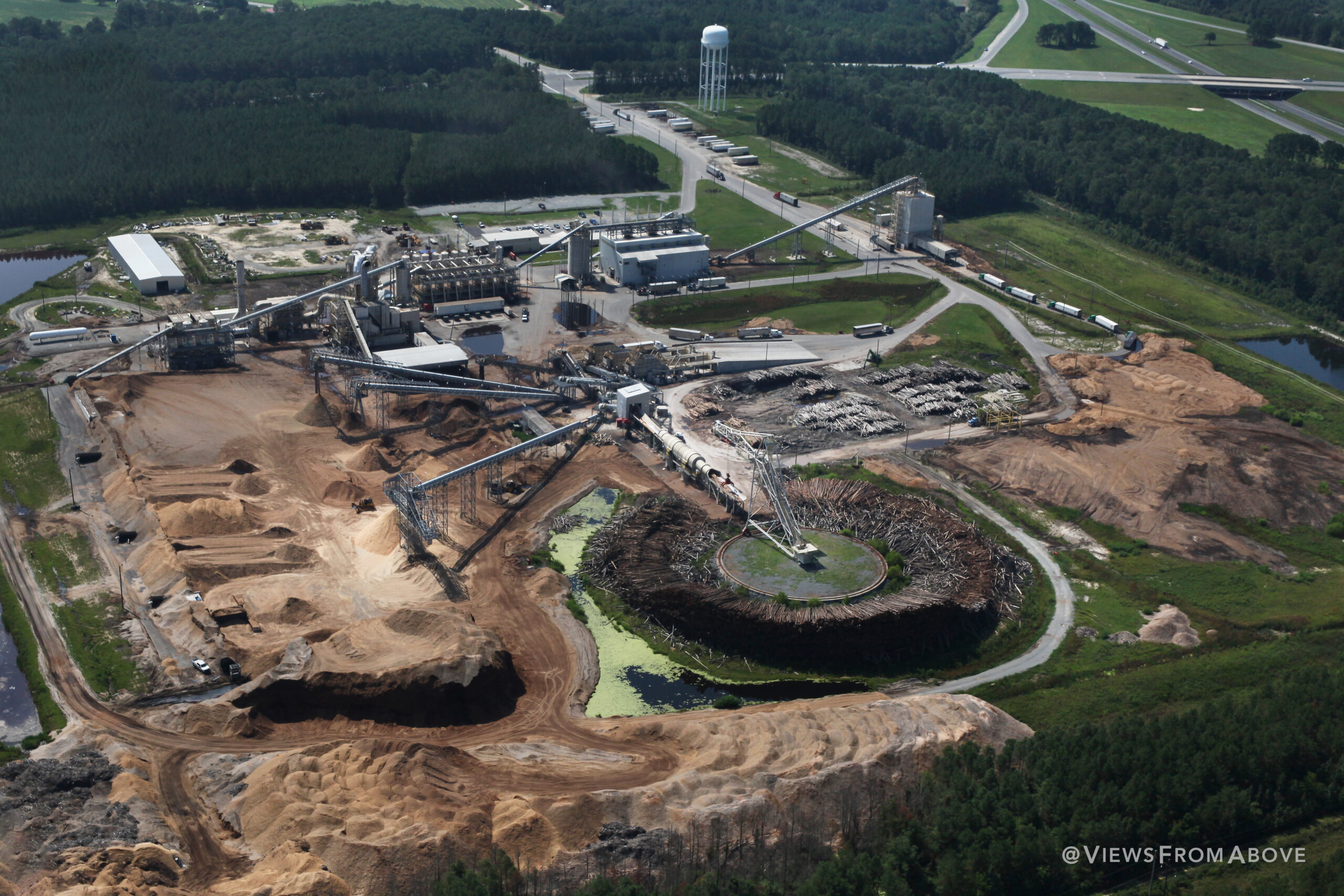
a wood pellet mill from the sky
Image by: Views From Above

Forests work hard to keep us cool, buffer us from storms, and absorb flood water. Wood pellet production increases forest degradation. Forest loss leads to less climate resiliency right at a time when hurricanes and flooding, droughts, and heat waves are becoming more extreme and we need our forests most. Community members in Northampton County, NC are telling us that even two-inch rains now spike flood waters as much as a four-inch rain did a decade ago. This anecdotal report mirrors others from the Cape Fear River, downstream from the Enviva Sampson plant, on the other side of the state. There, local river guide Charles Robbins said 2016’s Hurricane Matthew drove stream flows down the Cape Fear to three times what they had been during 1996’s Hurricane Fran. “The storms are getting stronger, yes, but there’s also a lot fewer trees to pull water from the river.”

people drive a boat down a flooded street

While biomass is falling short on climate and job goals, it’s also bringing air pollution, noise, and reduced biodiversity to Black and low wealth communities. Silverleen Alston, who lives about a mile from Enviva’s plant in Northampton County, says,

“The noise… banging during all hours of the night. I used to call up to Enviva and tell them, why don’t they stop, lower the noise or whatever, till I stopped. I don’t even do it no more.”

In addition to the noise from truck traffic and grinding trees, there are complaints about a constant cloud of dust flowing from the plant onto their homes, cars, gardens, and into their lungs. A CNN video highlighted the struggle.

A 2018 report by the Environmental Integrity Project found that 21 wood pellet mills exporting to the EU emit thousands of tons of particulate matter (fine dust), carbon monoxide, nitrogen oxides (smog), and volatile organic compounds (VOCs) per year. These are all associated with a range of illnesses, from respiratory and heart disease to cancer. These wood pellet mills also emit 3.1 million tons of greenhouse gases per year. The report also found that at least a third of wood pellet facilities violated their air permit limits in 2017. In five states fires and explosions erupted in plants largely from wood dust, which is combustible. In 2017, a German Pellets wood pellet storage silo in Port Arthur, Texas caught fire and burned unchecked for two months, sending many local residents to the hospital. Later that year, a worker at the silo died when pellets fell on the Bobcat machine he was operating.

In the South, many rural areas are considered environmental justice areas: places with many low wealth BIPOC (Black, Indigenous, and People of Color) residents. These areas usually have a lot of pollution. In Hamlet, North Carolina, with just 6,500 residents, there are five polluting companies, including an Enviva wood pellet plant.
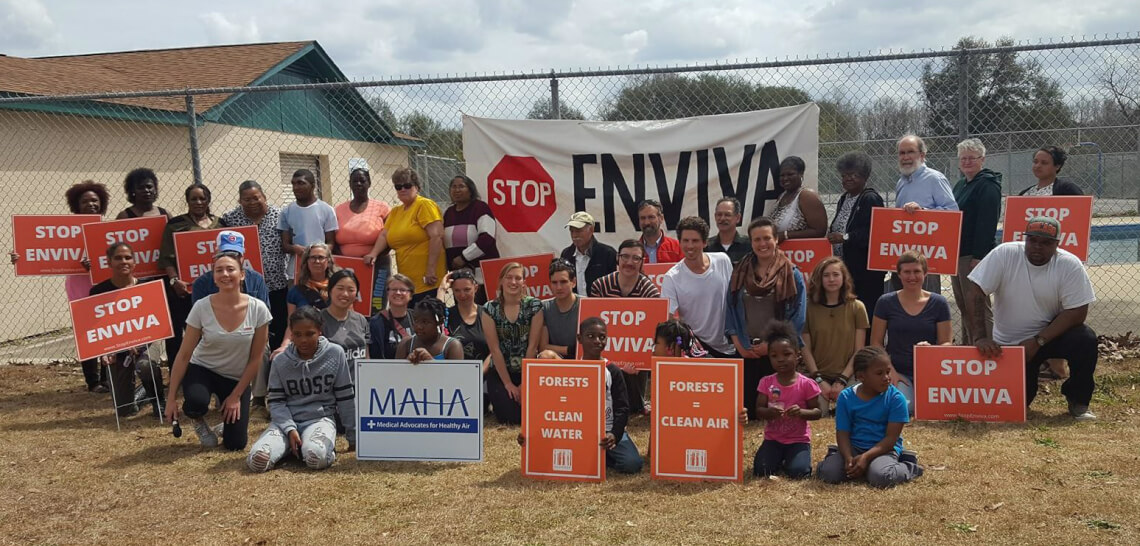
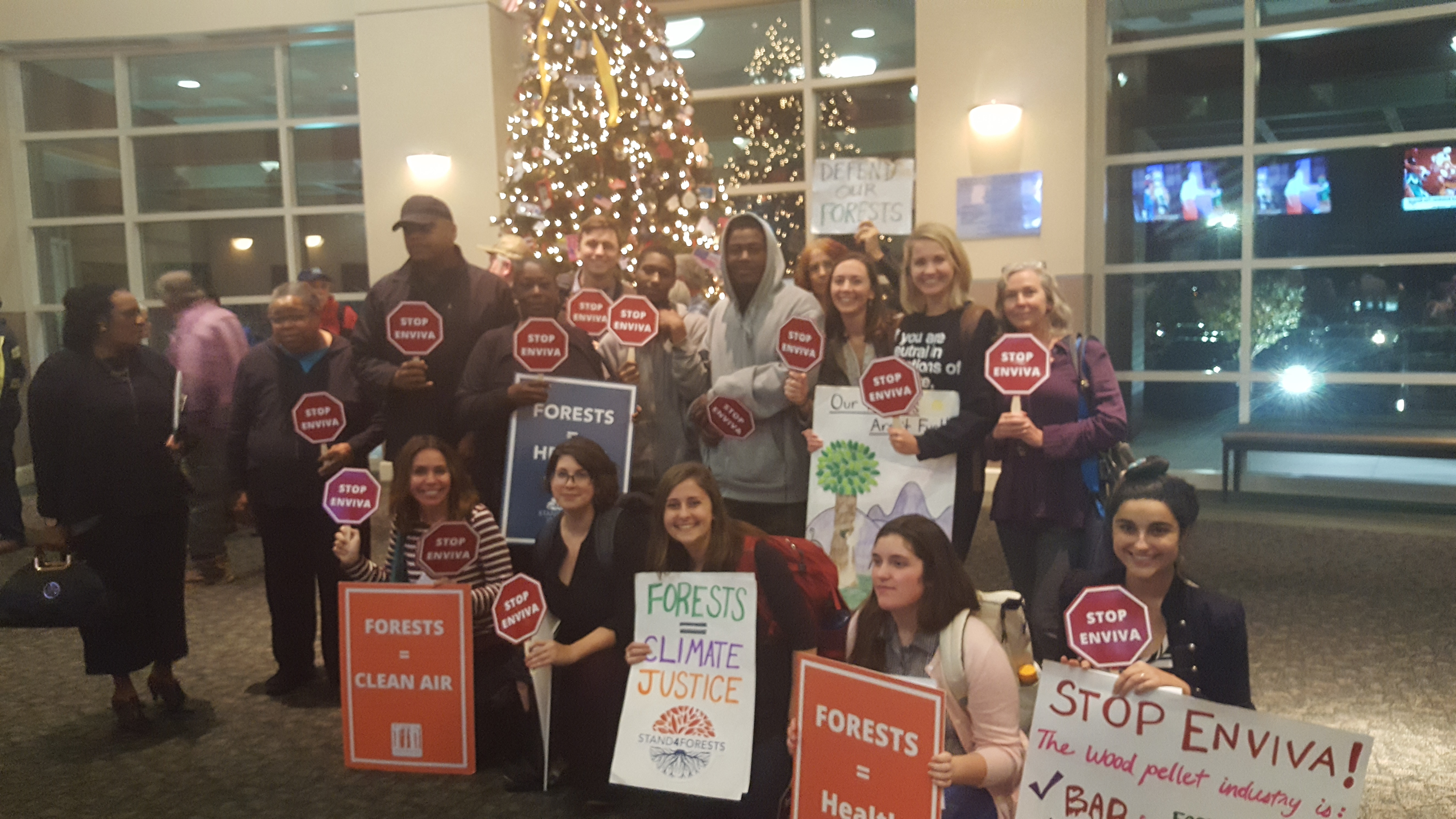
The community of Hamlet, NC protesting Enviva wood pellet biomass

Companies take advantage of areas that need jobs, and politicians overlook the environmental harms. Wood pellet production facilities are 50% more likely to be sited in environmental justice communities.

Impacts on wildlife

The North American Coastal Plain was recognized only recently as meeting the criteria for a global biodiversity hotspot. The Southeast is unique because we have more than 1,500 endemic (species that exist nowhere else on the planet) vascular plants and more than 70% habitat loss. Our special places are under immense pressure. Intensive forestry is the biggest threat to biodiversity. An increased demand for forest biomass means more intensive forestry. More intensive forestry means less biodiversity.

Forest-dependent species such as certain birds cannot survive without dead and old trees. Removing trees, branches, roots, and deadwood from the forest for biomass eradicates habitat, including nesting and breeding grounds, for thousands of bird species. Food these birds rely on, such as insects, fish, and aquatic invertebrates, are also diminished. The tree plantations which often replace biodiverse forests do not support the same range of wildlife as forests which have trees of different species, ages, and dead wood. Once a forest has been clearcut, it takes decades, if not centuries, before it can regrow to recover its original level of ecosystem productivity.

Impacts on climate

Biomass is often described as a clean, renewable, sustainable fuel and a better alternative to coal for producing electricity. But science shows that forest biomass produces higher carbon emissions compared to fossil fuels. Forest biomass is expected to increase carbon emissions for 35-100 years after burning. We need reductions in greenhouse gas emissions now – not in one hundred years. The time lag associated with biomass is simply not compatible with realistic climate goals.

Act Now: Urge Federal agencies to address the environmental justice and climate impacts of the biomass industry.

Our Work

    • Forests and Climate Change
    • Wood Pellet Biomass
    • Growth of the International Biomass Industry
    • Impacts of Wood Pellets In the US
    • Where Do Biomass Companies Get Wood?
    • Our Forests Aren’t Fuel Campaign
    • Supporting Communities and Forests
    • Environmental & Social Justice
CLICK THE LINKS BELOW TO JOIN OR DONATE TO THE DOGWOOD ALLIANCE MOVEMENT

Join the Movement >

Donate


Share Post:
Search
Categories
  • All News
    • Global
    • Local
    • National
    • State
  • Latest News
Recent News
  • The latest threat to Southern Forests - BIOMASS

    February 10, 2026

  • EPA seeks to gut clean water protections

    February 10, 2026

  • SELC sues Randolph County Landfill

    February 9, 2026

  • Dr. Ruby Bell - Meeting Monitor Leader

    February 20, 2025

  • Pellet Mills harming NC communities

    February 20, 2025

  • WHAT IS BIOMASS?

    January 17, 2024

  • ANITA CUNNINGHAM appointed to The White House Environmental Justice Council

    May 24, 2024

  • Hurricane Helene - NC Disaster Response and Resilience Network

    September 26, 2024

  • GET OUT THE VOTE!

    September 24, 2024

  • Dr. Sara Maxwell - Research Associate

    September 24, 2024

  • Federal Government Allows Failing Mountain Valley Pipeline To Go In-Service

    July 3, 2024

  • Environmental Terminology 101 - Concentrated Animal Feeding Operations (CAFOs)

    June 27, 2024

  • Clean Energy Experts Support Solar-Plus-Storage

    May 24, 2024

  • The Significance of Green Jobs

    May 24, 2024

  • So what went wrong at Enviva?

    January 17, 2024

  • Wood Pellet Maker Enviva Misses Bond Payment

    January 17, 2024

  • Enviva, the world’s largest biomass energy company, is near collapse

    December 19, 2023

  • Unchecked growth of industrial animal farms spurs long fight for environmental justice in Eastern NC

    December 19, 2023

  • Alarming pattern: Climate disasters hit, and Spanish-language misinformation spreads

    August 16, 2023

  • Climate Change and Racism Are About You

    August 14, 2023

  • Can I recycle that?

    May 9, 2023

  • Homebuilder makes a great case!

    May 9, 2023

  • "Forever Chemicals" = PFA's

    March 15, 2023

  • Who pays the price for what we want?

    March 15, 2023

  • In memoriam: Harvard Ayers

    March 15, 2023

  • Eastern North Carolina Coalition for Clean and Green Coalition

    February 2, 2023

  • Trapping 3% of emissions by 2030 globally is not enough, we need 45%! We can do this!

    October 28, 2022

  • Duke Energy Buried Damaging Evidence in Carbon Plan Case

    October 28, 2022

  • Carbon Hearings Begin Today!

    September 13, 2022

  • Historic Climate Legislation

    August 25, 2022

  • Get Involved!

    August 25, 2022

  • Climate Action - Carbon Plan - Upcoming Public Hearings

    July 5, 2022

  • Time is running out - ACT NOW!

    July 18, 2022

  • Supreme Court Ruling - West Virginia v EPA

    July 5, 2022

  • Higher Education Consortia for Climate and Environmental Literacies and Justice

    April 21, 2022

  • Wood Pellet Mill Stopped in Lumberton NC

    June 22, 2022

  • Interspiritual Climate Network

    April 21, 2022

  • How Black & Indigenous Groups Won the Fight to Stop the Atlantic Coast Pipeline - Democracy Now

    July 7, 2020

  • Atlantic Coast Pipeline is Cancelled!

    July 6, 2020

  • For Immediate Release– Re: Revoke the 401 Permit on the ACP

    August 13, 2019

  • Climate Change: How to Win

    February 25, 2019

  • Transportation and Climate Change, a Primer

    February 24, 2019

  • Who can help turn around climate change? We all can.

    February 23, 2019

  • Pipeline Updates

    February 20, 2019

  • Chatham County - One Step Closer to 100% Clean Renewable Energy?

    February 13, 2019

  • Duke Energy's Solar Rebate Disincentive

    January 18, 2019

  • Utilities’ Rush To Gas Is Cooking the Planet

    January 17, 2019

  • Parking, Sustainability, and the 21st Century City

    January 17, 2019

  • If you wanted a life of meaning and significance ... you’ve hit the jack-pot!

    January 13, 2019

  • Reflections on Governor Cooper's Decision to Permit the ACP

    January 7, 2019

  • Solartopia and a Conversation about the Green New Deal

    December 29, 2018

  • The Atlantic Coast Pipeline (ACP) Duplicity

    December 18, 2018

  • In Charlotte, North Carolina – Making the Impossible Possible

    December 12, 2018

  • The Role of Local Officials in Our Clean Energy Economy Transition

    December 11, 2018

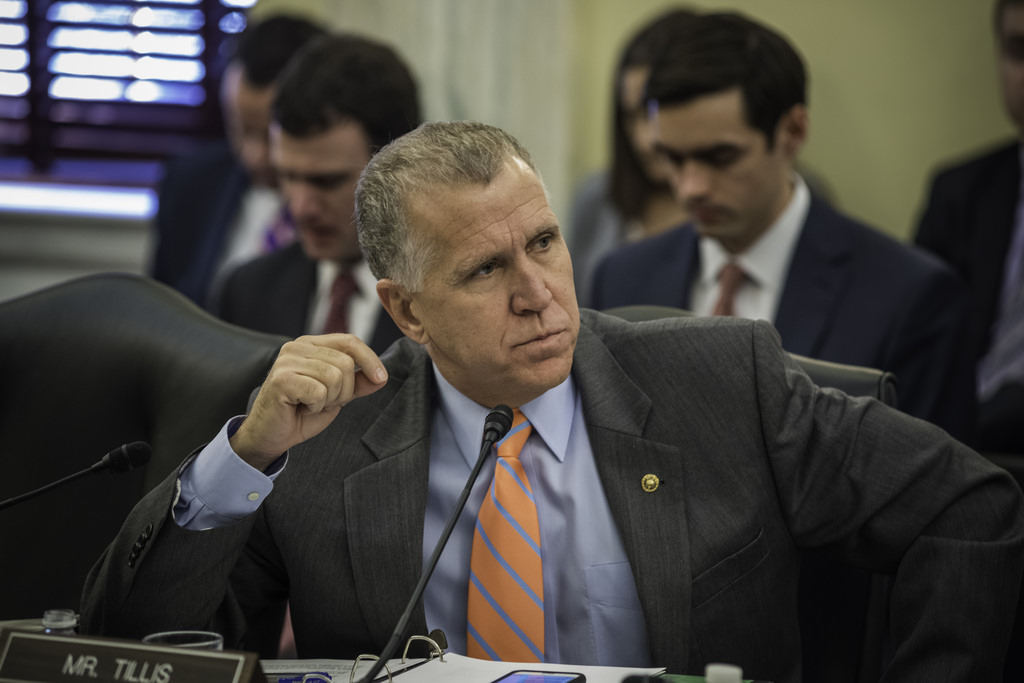
  • Senator Tillis: Do More!

    December 11, 2018

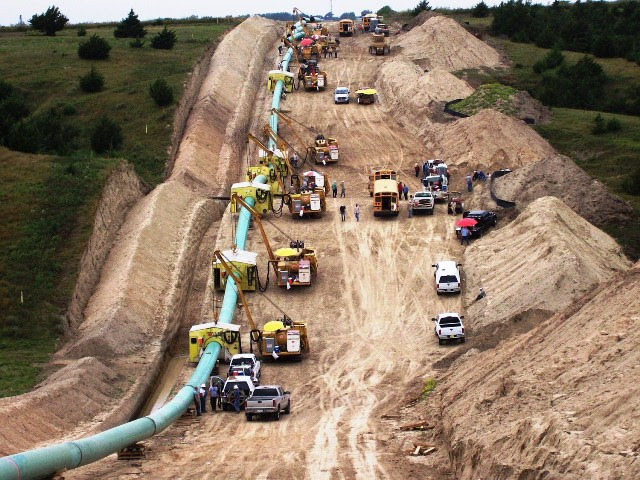
  • Are North Carolina and Virginia Pipelines Finally Kaput?

    December 10, 2018

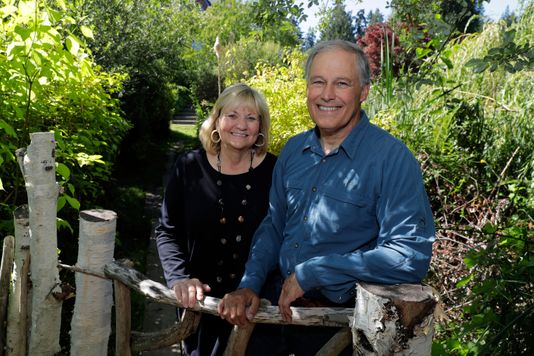
  • Washington Governor Jay Inslee: A 100% Clean Energy Commitment

    December 10, 2018

  • Podcast: The Price of Climate: Is Commercial Fishing in Hot Water?

    December 7, 2018

  • The US Must Cut Emissions, Not Forests

    December 6, 2018

  • Xcel Energy Commits to 100% Carbon-Free Electricity by 2050

    December 5, 2018

  • NC Wind Ban Expires January 1, or will it?

    November 27, 2018

  • NC Residents Speak Out Against Enviva's Proposed Expansion

    November 9, 2018

  • U.S. judge halts Keystone XL Oil Pipeline in Blow to Trump, Trudeau

    November 9, 2018

  • Cooper Commits to Paris Accord in Executive Order

    October 29, 2018

Be A Force For The Planet

Why Should You Take Action? If We Work Together We Can Make BIG Changes But We Need Your Help!

$
Select Payment Method
Personal Info

Credit Card Info
This is a secure SSL encrypted payment.

Billing Details

Donation Total: $500 Monthly


About Us

At NCCSC we work to protect the environmental landscape of NC by empowering communities to take action through education and grassroots campaigning. We serve as a resource for the public in mobilizing all communities, particularly BIPOC and the underserved who live, work, and play in North Carolina. We work to promote environmental solutions and initiatives to climate crises, including transitioning to 100% clean, sustainable, renewable energy and a green economy.

Newsletter Sign Up

Connect With Us

Site Links

  • Home
  • About
  • Programs
  • Environmental Terminology 101
  • Get Active
  • Climate Change
  • News
  • Events
  • Contact Us
  • Donate

Have Questions On How You Can Get Involved?

We appreciate your interest in helping us advocate for clean, renewable energy. Please use the form below to send us any questions that you have. Our team will respond to you shortly.

© 2026 Copyright North Carolina Climate Solutions Coalition
Website Design By Sprout Media Lab

Close